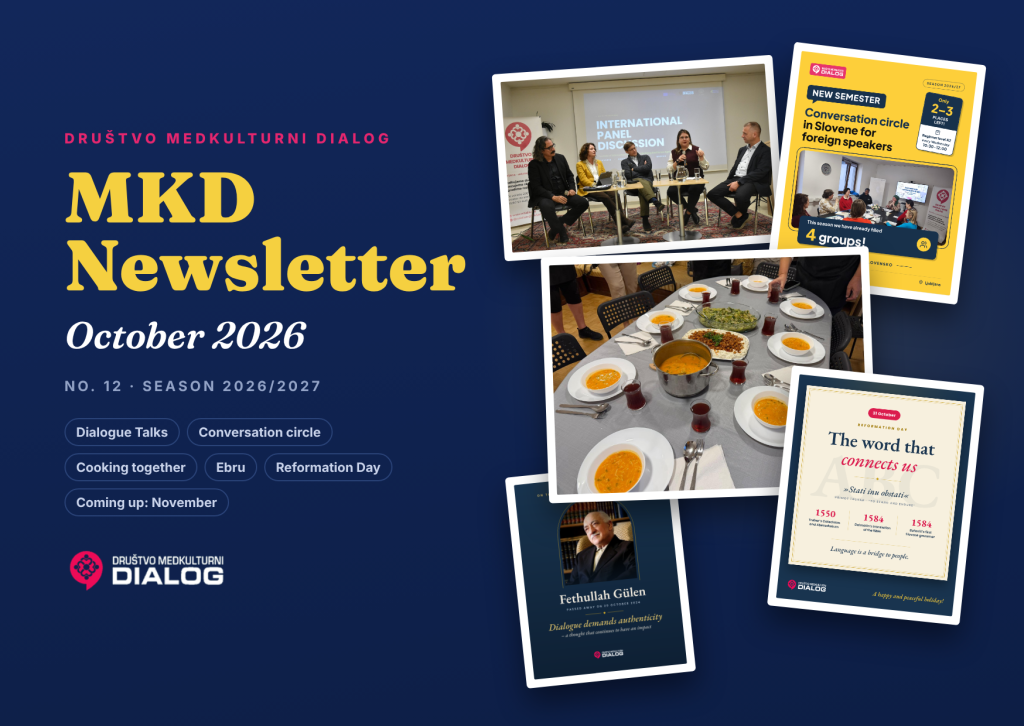
Dialogue demands authenticity– a thought that continues to have an impact
On the second anniversary of his death, we remember the work and ideas of Fethullah Gülen, which have lost none of their relevance today.
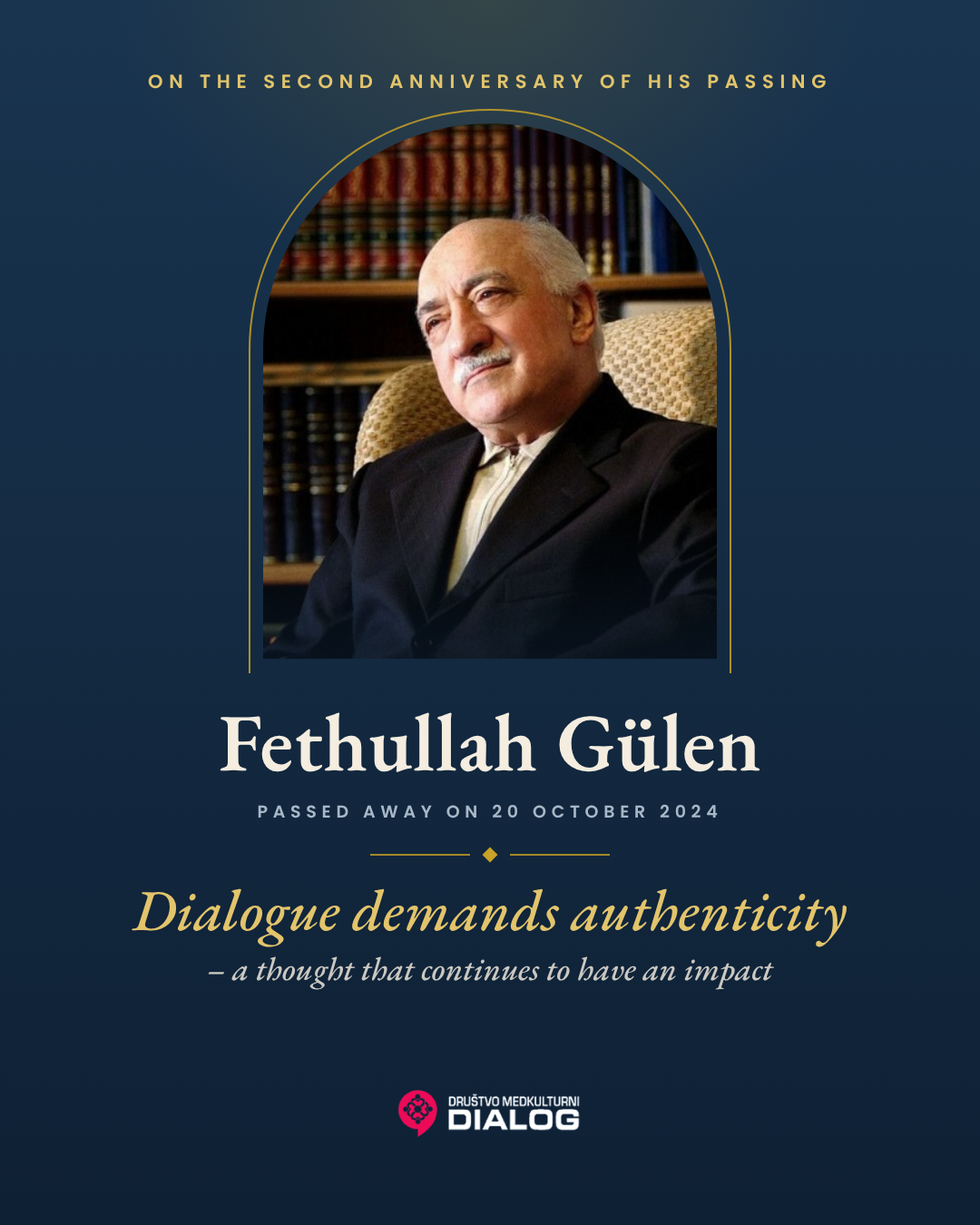
Fethullah Gülen Hocaefendi passed away on October 20, 2024. On the second anniversary of his death, the Dialogue and Education Foundation commemorates his work and ideas that have lost none of their relevance today.
For decades, Hocaefendi championed education, non-violence, and understanding between people of different religions and cultures. His thinking inspired people worldwide to take responsibility for their fellow human beings and society.
One question was always at the heart of his efforts to engage in dialogue:
How can people of different religious beliefs meet each other without having to dilute their own identity?
Dialogue out of conviction
Interreligious dialogue is sometimes associated with the expectation of setting aside one’s own convictions or ignoring differences as much as possible. Fethullah Gülen represented a different perspective: sincere dialogue does not require self-abandonment. Rather, a conscious grounding in one’s own faith can enable one to encounter other people openly and respectfully.
The aim is not to eliminate differences, but to acknowledge them and simultaneously seek common ground. Religious conviction and openness towards others can enrich each other.
The religious scholar Douglas Pratt examined this perspective in more detail in his article “Islamic Perspectives for Interreligious Dialogue: The Voice of Fethullah Gülen”.
He demonstrates that Fethullah Gülen understands values such as love, peace, tolerance, and forgiveness as fundamental components of Islamic ethics. At the same time, he emphasizes the importance of a responsible engagement with religious traditions and the challenges of each era.
From this perspective, dialogue is not a concession to other religions, but an expression of one’s own religious convictions. Religious diversity can become the starting point for shared responsibility.
Sincere dialogue does not require self-abandonment. Religious conviction and openness towards others can enrich each other.
Thoughts that linger
Even two years after Hocaefendi’s death, these reflections remain relevant to our work. They serve as a reminder that understanding arises not only from dialogue, but also from lived respect, shared experiences, and a willingness to take responsibility for one another.
In Germany, this attitude is brought to life by numerous individuals and initiatives. They independently design their educational, dialogue, and social projects, orienting themselves towards both shared values and local needs.
At the same time, we remember those who continue to experience exclusion, repression, and persecution because of actual or perceived connections to the Hizmet movement. Their fate reminds us that freedom of religion, human dignity, and the right to peaceful civic engagement are not things to be taken for granted.
On the second anniversary of his death, we remember with respect Fethullah Gülen Hocaefendi and the impulses that emanated from his thinking.
His work remains for us not only an object of remembrance, but also an impetus to continue to fulfill our responsibility for a peaceful and respectful coexistence.