
Dialogue Talks 2026–2027
Intercultural dialogue for inclusive societies: confronting extremism. Three international panel discussions bringing together community-led associations from Central Europe and Greece.
Dialogue as an answer to division
In recent years we have watched social polarisation rise across Europe with growing concern. Divisions drawn along lines of religion, ethnic identity or political conviction have shaped not only public debate but the daily lives of migrants and the communities they live alongside.
As community-led associations, we hold that dialogue and cooperation remain the most effective response to those divisions — and that the work is best done in the same room, in person, across borders.
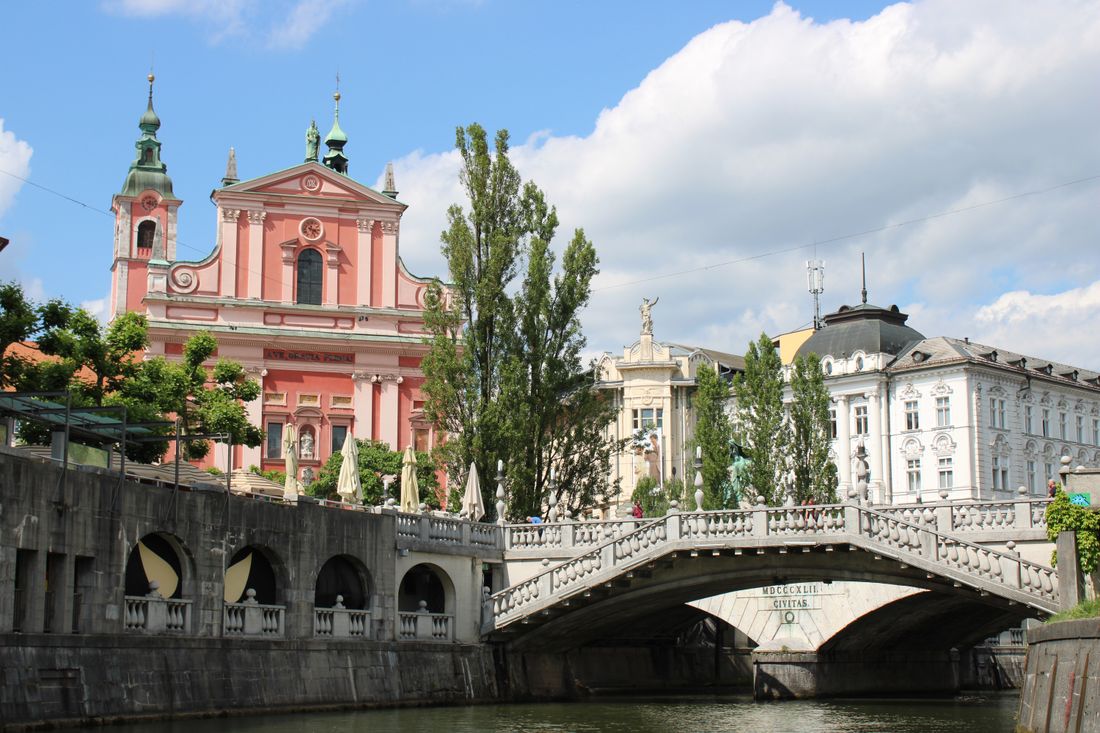
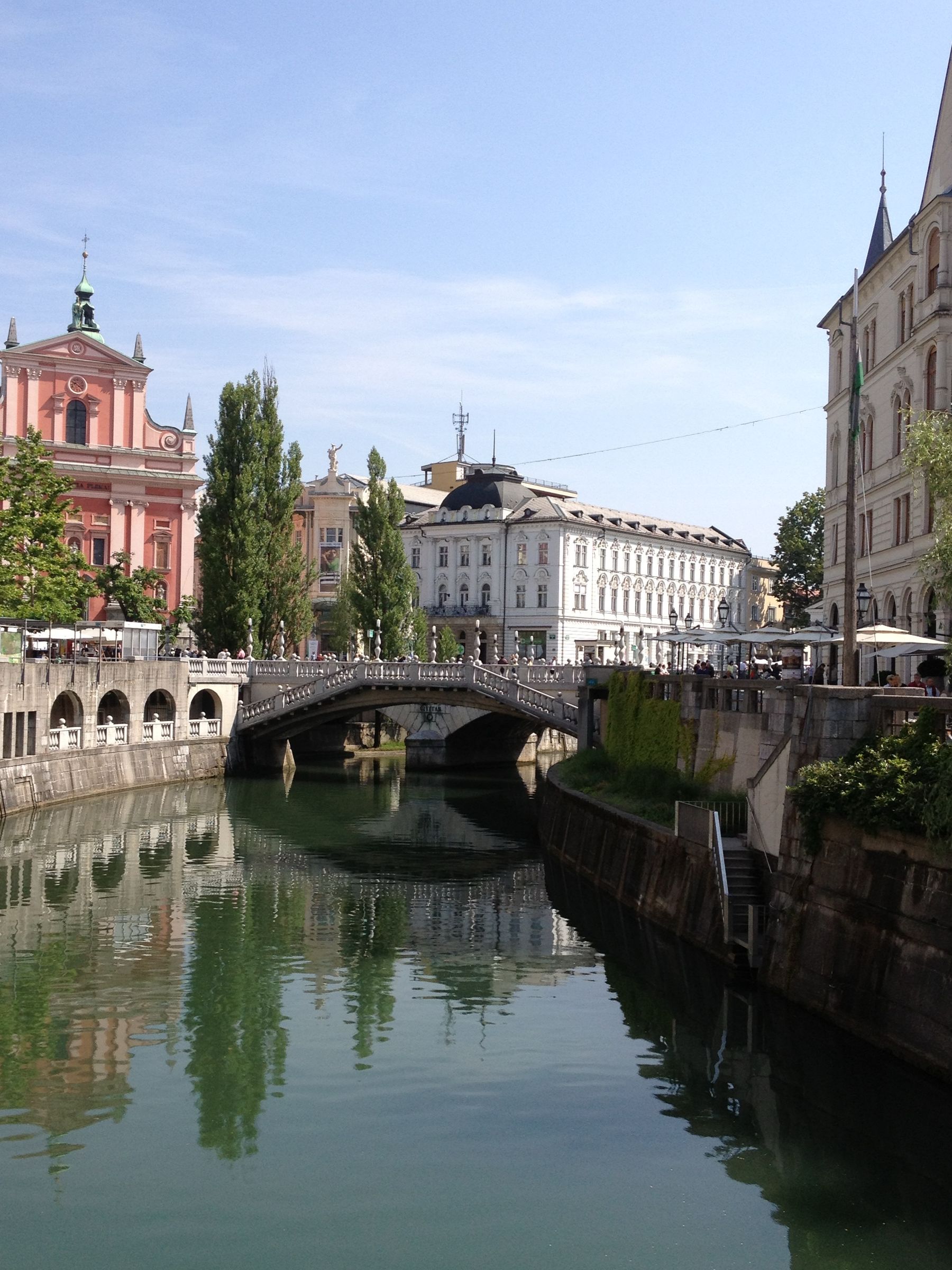
Ljubljana · host city of Dialogue Talk I
Three conversations,
one question
Each panel takes the same central question into a different field: how intercultural dialogue can build resilience against extremism, and what that resilience looks like in practice.
Building resilience against extremism
Organised within the Impact4Values project (CERV/EACEA)Organised within the Impact4Values project (CERV/EACEA), the opening panel examines the role of intercultural dialogue in strengthening communities against extremist narratives. It is followed by the Impact4Values roundtable on responding to extremism and xenophobia.
Kersnikova ulica 2, 1000 Ljubljana
Building youth resilience
The second panel turns to young people: how dialogue reaches those most exposed to recruitment and division, and what schools, families and associations can offer.
Hosted in Greece · venue and programme to be announced
Social cohesion in the digital age
Responding to online polarisation and extremism — the closing panel addresses the arena where division now spreads fastest and dialogue is hardest to sustain.
Hosted in Slovakia · one of the following dates
Organised within the
Impact4Values project
Dialogue Talk I in Ljubljana is one of the conversations in the Dialogue Talks international panel series. This first event is organised within the Impact4Values project, led by ADRA Slovenija and co-funded by the European Union through the CERV programme (EACEA), implemented in Slovenia by CNVOS.
The central panel brings together researchers and practitioners from Slovenia, Hungary, Slovakia and Greece to discuss how intercultural dialogue can strengthen resilience against extremism. The event also includes the Impact4Values roundtable, where representatives of local organisations will present innovative and positive practices in inclusion, intercultural dialogue and responding to xenophobia and extremism.

Impact4Values roundtable contributors
Local organisations taking part in the roundtable in Ljubljana, together with Furkan Güner of Društvo Medkulturni Dialog.
ADRA Slovenija
Lead organisation of Impact4ValuesKatja Kotnik, moderator
KD Gmajna
Roundtable contributorAigul Hakimova
Zavod APIS
Roundtable contributorRomana Zajec
AKD LIRIA
Roundtable contributorFlurina Ametaj
Four panellists,
four countries
The opening panel in Ljubljana brings together researchers and lecturers from Slovenia, Hungary, Slovakia and Greece, each approaching extremism and intercultural dialogue from a different field of study.

Assoc. Prof. Dr. Mirjam Milharčič Hladnik
Senior Research Fellow at ZRC SAZU and Associate Professor at the University of Nova Gorica
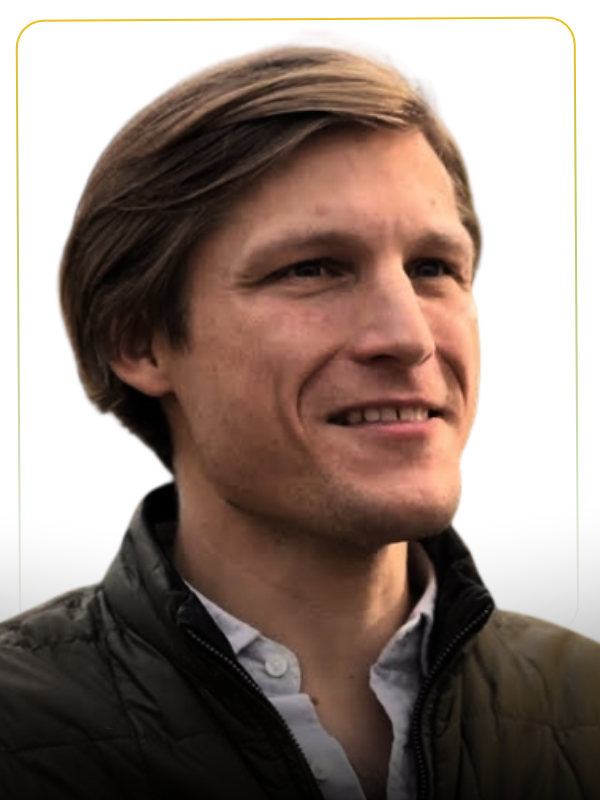
Assoc. Prof. Miklós Szabó
Associate Professor at Eötvös Loránd University, Budapest
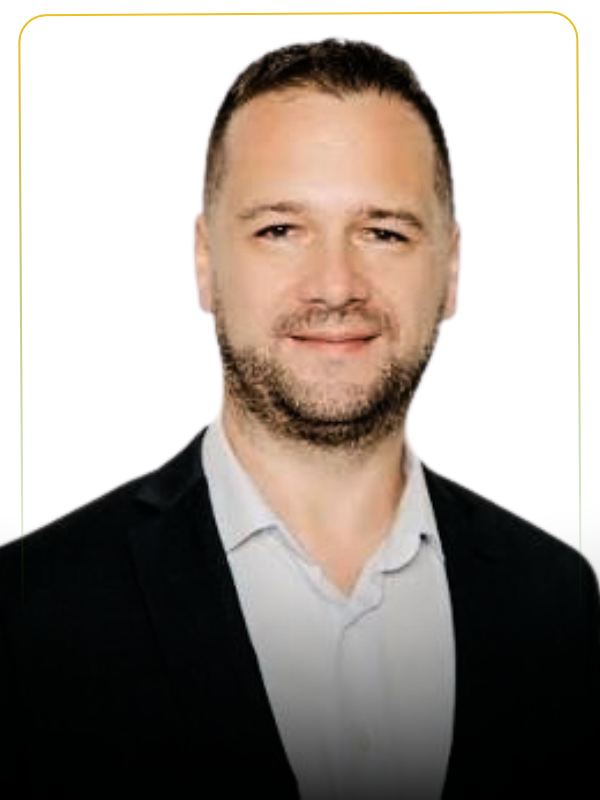
Assoc. Prof. Jozef Žuffa, PhD.
University of Trnava
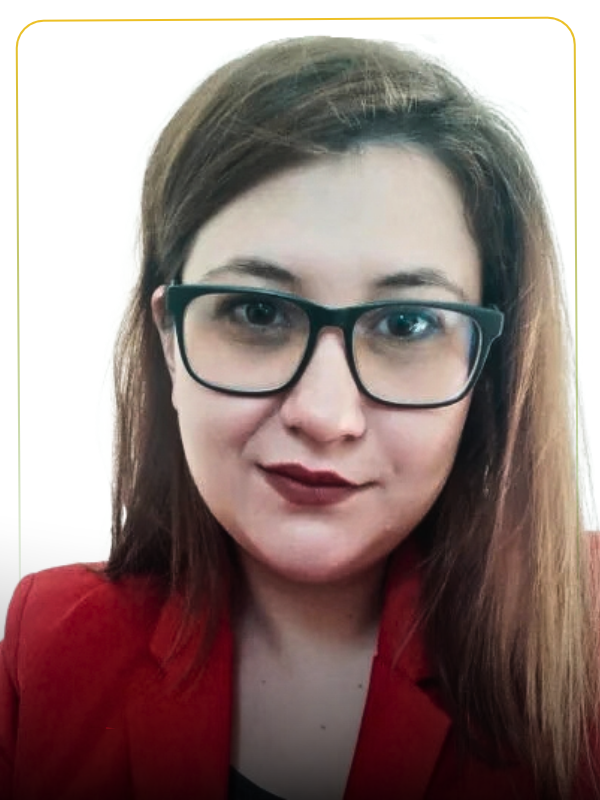
Iralia Kotsakidou, PhD
Adjunct Lecturer and Postdoctoral Researcher at the Ionian University
The role of intercultural dialogue
in building resilience against extremism
Extremism grows where people stop meeting one another. When communities live side by side without contact, suspicion fills the gap, and simple stories about “us” and “them” become easy to believe. Resilience is what a community builds before that happens: trust between neighbours, the habit of listening, and spaces where differences can be discussed openly rather than exploited.
The Ljubljana edition asks what intercultural dialogue can contribute to that resilience — how it can challenge division, strengthen social cohesion, and help communities stand firm against extremist narratives.
Challenge division
Bring prejudice and assumptions into the open, where they can be examined rather than repeated.
Strengthen cohesion
Put people in the same room who rarely meet, and give the conversation structure and purpose.
Build resilience
Turn single encounters into lasting relationships that help communities resist extremist narratives.
Five international partners
Each association has long been active in intercultural dialogue, working with local citizens and migrant communities alike — among them communities of Turkish background and many other nationalities. Our shared purpose is to build bridges, reduce prejudice, and create spaces where people meet, listen and learn from one another. The local organisations contributing to the Impact4Values roundtable in Ljubljana are listed separately above.
Društvo Medkulturni Dialog
Slovenia · host of Talk IOrganiser of the series, based in Ljubljana and working across language, culture and community since its founding.
Visit mkdia.org
Mozaiky Platform
Czech RepublicWorking with migrant and local communities on dialogue, participation and mutual understanding.
Visit platformdialog.cz
Spoločná Cesta
SlovakiaBuilding shared spaces between diverse communities and Slovak civil society.
Visit spolocnacesta.sk
Dialogus Platform Egyesület
HungaryConvening dialogue between communities across Hungary’s cultural and religious lines.
Visit dialogusplatform.hu
Gephyres Irinis
GreeceBridges of peace — working with diverse communities and local partners across Greece.
Visit gefyresirinis.grCommunity-Led Associations Platform
FrameworkThe platform within which this initiative was formed, bringing member organisations together across borders.
Different countries,
strikingly similar ground
This initiative was born within the Community-Led Associations Platform, which brings us together as organisations representing diverse communities. Though based in different countries, our contexts rhyme closely: Catholic Christianity is the most widespread religion in Slovenia, the Czech Republic, Slovakia and Hungary, and Orthodox Christianity in Greece. We share a European setting, and we face comparable questions about how newcomers and minorities are perceived and included.
Apart
Each association advocates for intercultural dialogue within its own country, on its own resources, addressing its own public.
Together
We amplify one another’s voices, build a stronger regional conversation, and lay the groundwork for future international projects confronting xenophobia, extremism and polarisation across Europe.
Take part in the conversation
For panellists
We are inviting contributors to join these panels and bring their perspective to the table. Your contribution will help shape the discussion rather than simply illustrate it.
Researchers, practitioners, community leaders, educators and journalists working on polarisation, migration or interfaith dialogue are all welcome to get in touch.
For participants
The talks are open to anyone with an interest in how communities hold together under pressure — students, civil-society workers, public servants and neighbours alike.
We hope this series marks the beginning of sustained exchange between our countries, leading to stronger networks and lasting cooperation.
Reserve your place
Places at Dialogue Talk I are limited. Fill in the form below and we will confirm your registration by e-mail.
We will confirm your place by e-mail. If you do not hear from us within two working days, write to info@mkdia.org.
Having trouble? You can also open the form in a new tab or write to info@mkdia.org.
Join the conversation
Write to us to take part as a panellist, to attend, or to follow the series as it develops. The Ljubljana programme is confirmed; venues and programmes for Greece and Slovakia follow closer to each date.
- Organiser
- Društvo Medkulturni Dialog
- Address
- Rimska cesta 2b, 1000 Ljubljana
- info@mkdia.org
Co-funded by the European Union. Views and opinions expressed are however those of the author(s) only and do not necessarily reflect those of the European Union or the European Education and Culture Executive Agency (EACEA). Neither the European Union nor EACEA can be held responsible for them.
Event programme — Friday, 23 October 2026
Oton Župančič Library, Conference Hall · Kersnikova ulica 2, 1000 Ljubljana
Organised within the Impact4Values project (CERV/EACEA)

| 16:30 – 17:40 | Dialogue Talks — International Panel Discussion70 minutes The Role of Intercultural Dialogue in Building Resilience Against Extremism Moderated by Carlos Pascual — writer, essayist and theatre practitioner |
| 17:40 – 18:10 | Impact4Values Roundtable30 minutes Innovative Methods for Inclusive Societies: Responding to Extremism and Xenophobia Moderated by Katja Kotnik (ADRA Slovenija). With Furkan Güner (MKD), Aigul Hakimova (KD Gmajna), Romana Zajec (Zavod APIS) and Flurina Ametaj (AKD LIRIA). |
| 18:10 – 18:40 | Open Networking30 minutes Coffee, tea and light refreshments |
| 18:40 – 19:00 | Closing20 minutes End of the event |
Dialogue Talk I is organised within the Impact4Values project, led by ADRA Slovenija and co-funded by the European Union through the CERV programme (EACEA).
Questions about the event or the venue? Write to info@mkdia.org