In the footsteps of Primož Trubar
Our Slovene language circle visited the Trubar Homestead in Rašica, birthplace of the author of the first Slovene books.
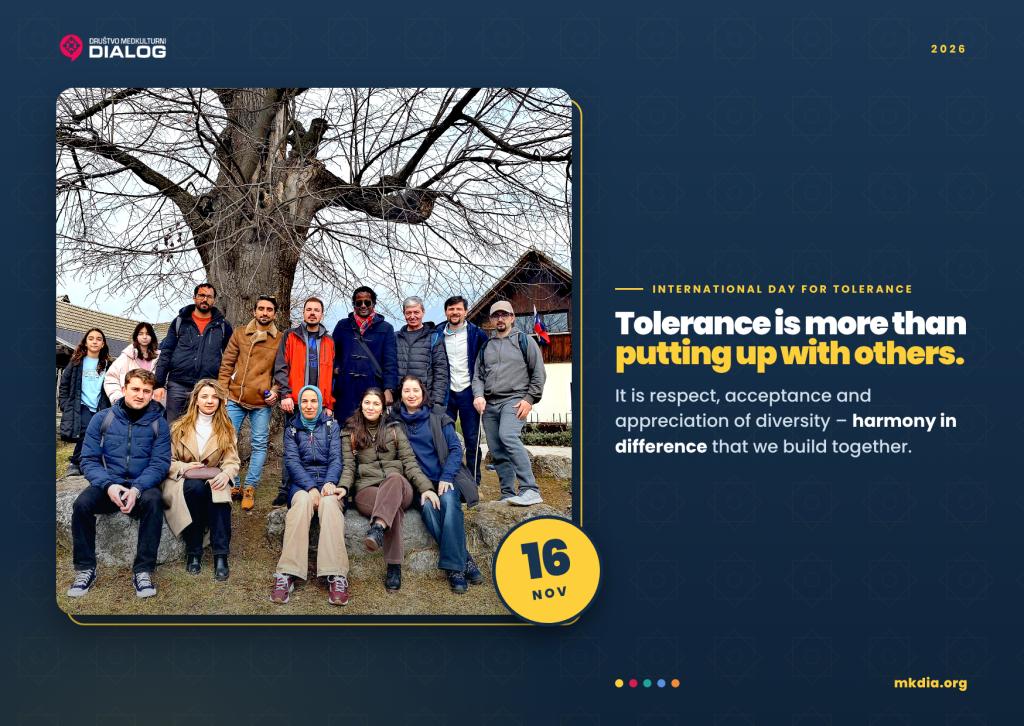
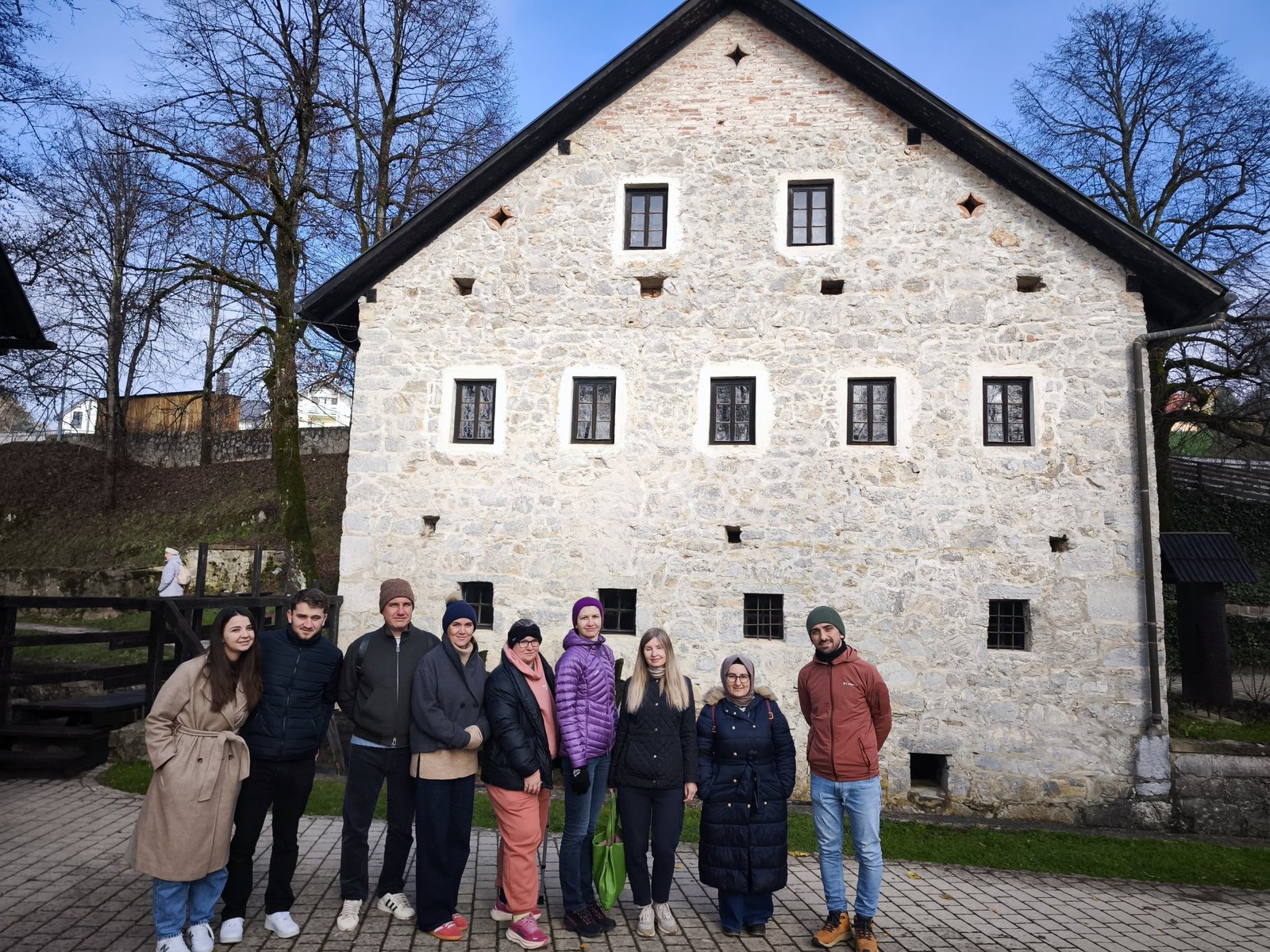
On Saturday, 14 November, our Slovene language circle travelled to Rašica near Velike Lašče, to the homestead where Primož Trubar was born in 1508. The trip was the cultural part of the circle’s autumn programme. After weeks of vocabulary, grammar and conversation, we went to the place where the story of written Slovene began.
In 1550 Trubar published the Catechism and the Abecedarium, the first printed books in Slovene. With them, the language gained a written form and its first readers. For participants who are learning Slovene as a new language, it was a special moment: we stood at the beginning of the language in which we are now writing our own first sentences.
“Stati inu obstati”Primož Trubar“To stand and to endure”: Trubar’s words appear today on the Slovenian one-euro coin.
Twice a year, in the footsteps of the Slovene word
Cultural excursions are a permanent part of the Slovene language circle. They connect the language we learn in the classroom with the places and stories it grew from.
Trubar Homestead, Rašica
A visit to the birthplace of Primož Trubar, author of the first Slovene books. This year we went on 14 November.
Velike LaščePrešeren’s birthplace, Vrba
On Slovenian Culture Day we visit the birthplace of France Prešeren, the poet whose Zdravljica is today the Slovenian national anthem.
ŽirovnicaOne day, three stops
On the way
The path led us past houses, hayracks and meadows around Velike Lašče. The guide told us about the area and its history along the way, while we collected new words: kozolec (hayrack), potok (stream), mlin (mill), žaga (sawmill).
The mill and the sawmill
The Trubar Homestead is a preserved farmstead with a water-powered mill and a Venetian-type sawmill. We looked at the mill wheels, the millstone and the wooden gearing, and a model showed us how water from the stream once powered it all.
Where the Slovene book began
The memorial room holds a statue of Trubar, old books and extracts from his works. On one panel we read how Trubar described his arrival in Ljubljana in 1561. The letters are almost five hundred years old, yet we recognised quite a few words ourselves.
We continue in spring
The spring programme of the Slovene language circle starts in February, and on 8 February our first cultural excursion will take us to Vrba. Write to us if you would like to join.
Every language has a home. Slovene has one in Rašica.